
Table of Contents
Sciatica Pain in Arlington Heights: Key Insights
Sciatica pain in Arlington Heights affects many residents, disrupting daily activities and overall well-being. This common condition, impacting up to 40% of people at some point according to the Mayo Clinic, often stems from local factors like sedentary desk jobs among busy professionals or physical strains from occupational demands in the area. Recognizing these triggers early can make a significant difference in managing nerve compression discomfort locally.
Sciatica refers to radiating pain along the sciatic nerve, originating from the lower back and extending through the hips and down the legs due to compression, such as from a herniated disk. Common symptoms include sharp, burning pain, numbness, tingling, and muscle weakness in the affected leg, which may worsen with sitting, coughing, or sneezing. These indicators, as described by medical experts, signal the need for prompt attention to avoid chronic lower back radiculopathy relief challenges.
At Advanced Pain & Spine Management, we provide comprehensive, minimally invasive care through individualized pain treatment plans led by our board-certified specialists, Dr. George Macrinici, Jason McAloon, DO, and Karen Aicher, ANP. With convenient locations in Arlington Heights and Bloomingdale, we focus on evidence-based interventions that prioritize patient outcomes, reflected in our strong pain management ratings.
This guide explores causes, symptoms, sciatica treatment options, and strategies like chiropractor sciatica relief to empower you toward effective management and restored mobility.
Understanding Sciatica Causes and Symptoms
Sciatica, often stemming from sciatic nerve irritation locally, affects many adults by causing radicular back discomfort that radiates down the leg. At Advanced Pain & Spine Management, we emphasize early recognition to support effective management. Understanding these elements empowers Arlington Heights residents to take proactive steps toward relief.
Common Causes of Sciatica Pain in Arlington Heights
Sciatica pain in Arlington Heights frequently arises from compression of the sciatic nerve roots in the lower back, known as lumbar radiculopathy. According to the American Academy of Physical Medicine and Rehabilitation, about 1 in 10 adults experiences this condition, often due to herniated discs where the soft inner material pushes through the disc’s outer layer, irritating nearby nerves. Spinal stenosis, a narrowing of the spinal canal, and bone spurs from osteoarthritis can also pinch nerves, leading to inflammation.
Local lifestyle factors exacerbate these issues. Long commutes on busy roads or manual labor in nearby industries contribute to repetitive strain on the spine. For instance, a construction worker in the area might develop piriformis syndrome, where the piriformis muscle in the buttocks tightens and compresses the sciatic nerve due to prolonged sitting or heavy lifting. Aging populations in Arlington Heights face higher risks, as degenerative changes weaken spinal structures over time. While chiropractor sciatica relief offers one approach for muscle-related triggers, we recommend consulting professionals for accurate diagnosis to explore sciatica treatment options early and prevent worsening.
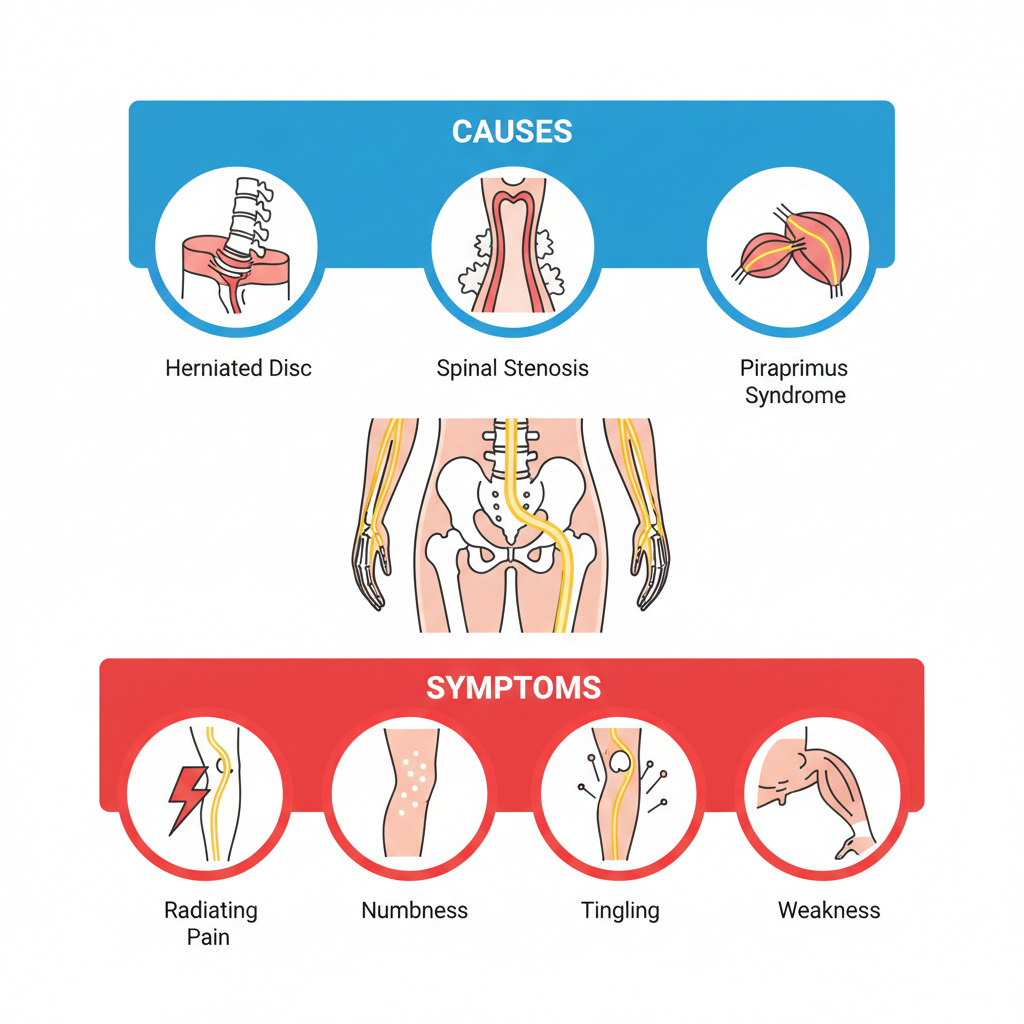
Visual guide to sciatica causes and symptoms with icons
This visual representation highlights how everyday activities can lead to nerve compression, underscoring the importance of awareness in our community.
Recognizing Sciatica Symptoms Early
Early identification of sciatica symptoms is crucial for timely intervention and better outcomes. Common signs include sharp, burning pain that starts in the lower back and travels down one leg, often following the path of the sciatic nerve. This radiating discomfort may intensify with movements like coughing or sitting for extended periods, as noted in studies on nerve sensitization.
Neurological effects often accompany the pain, such as numbness, tingling, or pins-and-needles sensations in the leg or foot. Muscle weakness can make it difficult to move the affected limb, potentially impacting daily tasks for residents, like a local teacher noticing leg weakness after long hours standing. Self-assessment involves noting pain patterns: Does it worsen at night or after physical activity? Track any loss of reflexes or sensation during simple tests, such as lifting the foot while seated.
At Advanced Pain & Spine Management, we guide patients through these observations during initial consultations. Documenting what alleviates or aggravates symptoms helps in pinpointing sciatic nerve irritation locally. Remember, this information is educational and not a substitute for professional medical advice; consult a healthcare provider for personalized evaluation.
When to Seek Local Medical Help
Knowing when to seek help prevents sciatica from progressing to chronic issues. Red flags include severe pain unrelieved by rest, sudden weakness in the leg, or loss of bowel and bladder control, which demand immediate attention to rule out serious complications. If symptoms persist beyond a few weeks or interfere with work and mobility, prompt evaluation is essential.
In Arlington Heights, timelines matter: Consult a specialist within days if neurological symptoms appear, or within two weeks for moderate pain unresponsive to over-the-counter remedies. Our team performs non-invasive assessments, including physical exams to check strength and reflexes, followed by imaging like MRI if needed, aligning with evidence-based protocols for diagnostic accuracy.
For arlington heights pain care, we offer comprehensive evaluations to create individualized pain treatment plans. Early intervention through our advanced, minimally invasive approaches can significantly improve quality of life. Residents should prioritize professional guidance to address radicular back discomfort effectively and avoid delays in care.
Benefits of Sciatica Treatment Options
At Advanced Pain & Spine Management, we prioritize sciatica treatment options that deliver meaningful relief and enhance quality of life for our patients in Arlington Heights and Bloomingdale. These approaches, ranging from conservative therapies to advanced interventions, target the root causes of pain while promoting long-term mobility and function. By tailoring plans to individual needs, we help reduce discomfort and minimize reliance on more intensive measures.
Non-Surgical Relief Methods
Non-surgical methods form the foundation of effective sciatica management, offering accessible ways to alleviate symptoms without invasive procedures. Physical therapy, a cornerstone of our conservative care, strengthens core muscles and improves flexibility, leading to better spinal support and reduced nerve pressure. According to clinical insights from the Mayo Clinic, conservative therapies like these yield improvement in up to 80% of cases, with patients often reporting enhanced daily activities within weeks.
For sciatica pain in Arlington Heights, we integrate targeted exercises that address posture and movement patterns, helping patients regain confidence in routine tasks. Chiropractic care provides another vital avenue, focusing on spinal alignment to ease nerve compression through gentle adjustments. This chiropractor sciatica relief approach, often combined with our pain medication management, controls inflammation and symptoms effectively, allowing for gradual progress without downtime. Consider a working professional who, after consistent sessions, returned to desk work pain-free, avoiding escalation to stronger interventions.
- Key Benefits: Improved range of motion, decreased inflammation, and empowered self-management skills.
These options not only soothe immediate discomfort but also build resilience against flare-ups, fostering sustainable wellness.
Advantages of Interventional Procedures
When non-surgical efforts need augmentation, interventional procedures at our practice offer precise, minimally invasive benefits that accelerate recovery. Epidural steroid injections, for instance, deliver targeted anti-inflammatory medication directly to the affected nerve root, providing rapid relief from radiating pain and swelling. This localized nerve therapy benefits patients by interrupting the pain cycle, often allowing a swift return to normal activities.
Our minimally invasive techniques, such as radiofrequency ablation or transforaminal injections, minimize tissue disruption while maximizing efficacy, with most patients experiencing reduced symptoms in days rather than weeks. We emphasize quick recovery times, typically under an hour for procedures, enabling same-day discharge and minimal lifestyle interruption. Pain medication management complements these by fine-tuning symptom control, reducing the need for opioids through integrated plans.
A senior patient in our care, dealing with persistent leg numbness, found substantial ease after an injection, resuming community walks without hesitation. These sciatica treatment options prioritize precision and patient comfort, yielding long-term gains in mobility and overall function.
- Key Benefits: Faster pain reduction, lower risk profiles, and enhanced targeted relief.
Local Treatment Effectiveness
Accessing sciatica care close to home amplifies the benefits of our comprehensive approaches, particularly through the convenience of localized expertise in Arlington Heights. Shorter travel distances mean less strain on affected areas, making regular sessions for physical therapy or injections more feasible and consistent. At Advanced Pain & Spine Management, our arlington heights clinic info ensures seamless integration of individualized pain treatment plans, drawing on board-certified specialists like Dr. George Macrinici and team for optimized outcomes.
This proximity enhances adherence, as patients can attend follow-ups without logistical burdens, leading to better tracking of progress and adjustments. For instance, a local resident with chronic back radiation benefited from prompt chiropractic adjustments and medication oversight, achieving notable adjustment-based pain reduction and independence in daily chores. Our focus on evidence-based modalities, supported by Mayo Clinic guidelines, underscores typical improvements in function and reduced opioid use.
Sciatica treatment options in our region shine through this tailored, accessible framework, promoting holistic recovery.
- Key Benefits: Enhanced convenience, specialized local knowledge, and streamlined continuity of care.
How Sciatica Treatments Function
At Advanced Pain & Spine Management, we specialize in targeted therapies that address the root causes of sciatica, providing relief through evidence-based mechanisms. Our approach combines interventional procedures with conservative care to alleviate nerve irritation and restore mobility for patients experiencing discomfort in the lower back and legs.
Epidural Steroid Injections Explained
Epidural steroid injections deliver potent anti-inflammatory medication directly to the inflamed nerve root, offering effective sciatica treatment options. For individuals dealing with sciatica pain in Arlington Heights, the procedure begins with thorough preparation, including a review of medical history and imaging like MRI to pinpoint the affected area. Under fluoroscopic guidance, we position a thin needle into the epidural space surrounding the spinal cord, where the corticosteroid is injected to reduce swelling and interrupt pain signals through injection-mediated nerve calming.
This targeted delivery typically provides relief within 48 to 72 hours, with effects lasting from weeks to months depending on the severity. We monitor patients post-procedure to ensure optimal outcomes and schedule follow-ups to assess progress. Many experience significant improvement in daily activities, allowing a return to normal function without invasive surgery.
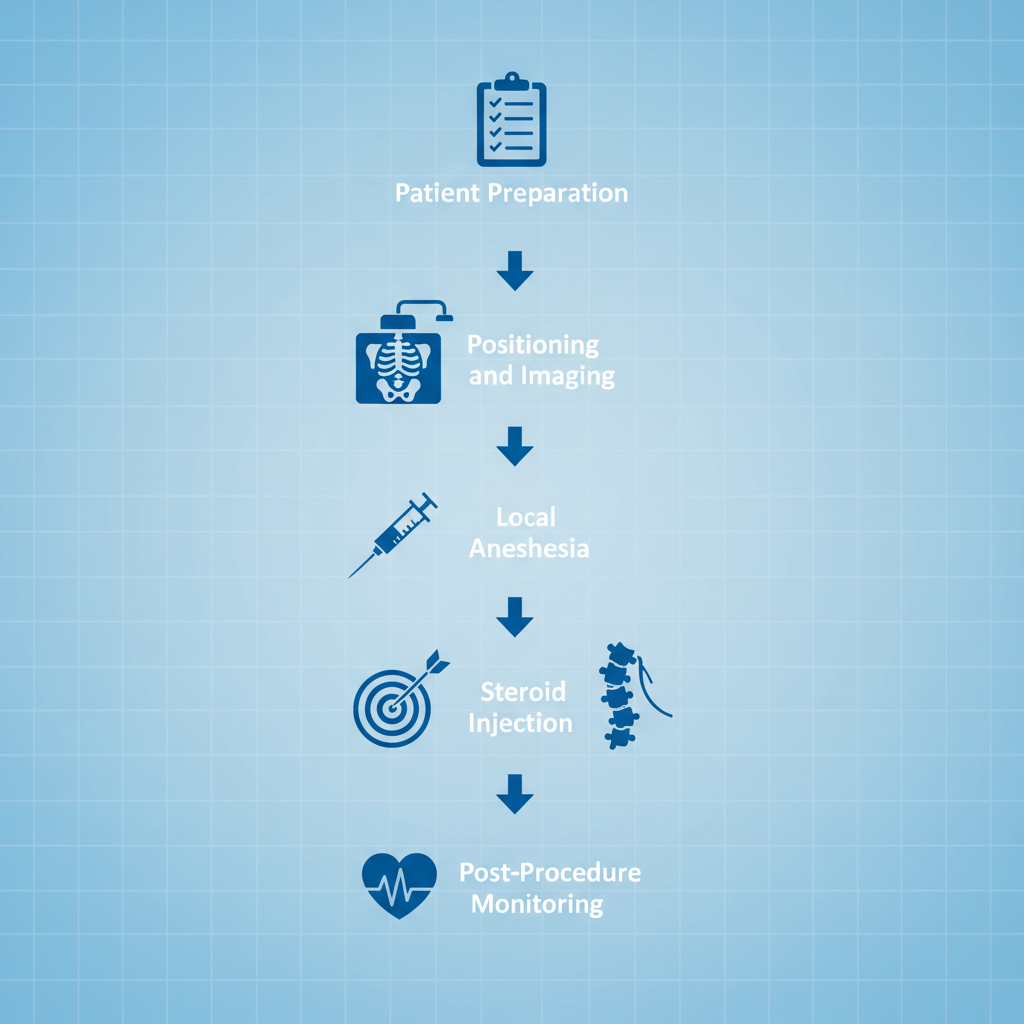
Step-by-step epidural steroid injection for sciatica pain relief
The process integrates seamlessly with our comprehensive plans, enhancing overall pain management strategies.
Chiropractic and Physical Therapy Mechanisms
Chiropractic care plays a vital role in sciatica treatment options by employing spinal adjustments to decompress the sciatic nerve and alleviate compression from misaligned vertebrae. At our practice, we incorporate chiropractor sciatica relief techniques, such as gentle manipulations that realign the spine and reduce pressure on the nerve roots. These adjustments promote proper joint function and decrease inflammation, fostering therapy-driven alignment correction.
Physical therapy complements this by focusing on strengthening exercises that build core stability and improve flexibility. For instance, we guide patients through McKenzie extensions, pelvic tilts, and nerve glides to stretch tight muscles and enhance posture, directly addressing the mechanics of nerve impingement. A study on chiropractic spinal manipulative therapy combined with home exercises demonstrated significant pain reduction in 60% of patients post-adjustment, validating these methods for subacute or chronic cases.
Our integrated sessions ensure sequential progression, starting with adjustments followed by tailored exercises, with effects building over 4 to 6 weeks. This combination empowers patients to manage symptoms actively while we oversee personalized adaptations.
Advanced Interventional Techniques
For persistent cases, advanced interventional techniques offer minimally invasive solutions tailored to local needs in Arlington Heights. Nerve blocks, such as the stellate ganglion block, target sympathetic nerves to interrupt chronic pain cycles, providing rapid relief by modulating nerve activity. We also utilize intrathecal pumps to deliver medication directly to the spinal fluid, ensuring precise dosing for sustained control over sciatica symptoms.
These procedures employ imaging guidance for accuracy, minimizing downtime and maximizing efficacy as part of our sciatica treatment options. When sacroiliac joint issues contribute to radiating pain, sacroiliac joint fusion stabilizes the joint through minimally invasive hardware, reducing motion that exacerbates nerve irritation. Effects from these interventions often last 6 to 12 months, with follow-ups to refine ongoing care.
By sequencing these with conservative therapies, we create individualized pain treatment plans that address multifaceted causes, helping patients achieve long-term comfort and functionality.
Best Practices for Sciatica Management
At Advanced Pain & Spine Management, we emphasize proactive nerve care practices to help patients in Arlington Heights achieve lasting relief from sciatica. By incorporating daily habits, selecting the right specialists, and blending therapies thoughtfully, individuals can regain mobility and reduce discomfort effectively. Our approach focuses on evidence-based strategies tailored to your needs.
Daily Strategies and Exercises
Managing sciatica pain in Arlington Heights starts with simple, consistent routines that target nerve irritation and strengthen supporting muscles. We recommend beginning with gentle piriformis stretches: Sit with one leg crossed over the other, gently pull the knee toward your opposite shoulder, and hold for 20-30 seconds per side, repeating three times daily. Incorporate walking routines, aiming for 20-30 minutes on flat surfaces to promote circulation without strain. Ergonomics play a key role–use lumbar supports when sitting and alternate positions every 30 minutes to avoid prolonged pressure on the sciatic nerve.
Studies on neural mobilization, such as slider and tensioner exercises, show significant short-term pain reduction and improved range of motion after just six sessions over two weeks, often combined with modalities like TENS for enhanced results. To build a sustainable plan, follow this checklist:
- Stretch morning and evening to loosen tight muscles.
- Maintain proper posture during desk work or driving.
- Track symptoms in a journal to monitor progress.
These steps empower self-management while complementing professional care for optimal outcomes.
Choosing Local Specialists
Selecting the right provider is crucial for specialist-guided symptom control in sciatica treatment options. Look for board-certified professionals, such as physiatrists or pain management experts like our team at Advanced Pain & Spine Management in Arlington Heights, who specialize in minimally invasive interventions. Verify credentials through state medical boards and check patient reviews for experience with nerve-related conditions.
Escalate care when pain persists beyond two weeks, radiates below the knee, or includes weakness and numbness–these signal potential need for advanced diagnostics like MRI. We advise starting with a comprehensive evaluation to rule out underlying issues. For chiropractic care, seek practitioners trained in spinal manipulation for back-related leg pain; research indicates combining it with home exercises yields better leg pain relief than exercises alone.
Use this checklist to choose wisely:
- Confirm specialization in sciatica and interventional procedures.
- Inquire about multidisciplinary collaboration, including PT referrals.
- Schedule an initial consultation to discuss personalized plans.
Our Arlington Heights location offers convenient access to these services, ensuring timely intervention.
Integrating Therapies Effectively
Combining therapies maximizes sciatica treatment options for comprehensive relief. Begin with chiropractic adjustments for chiropractor sciatica relief, followed by physical therapy to build core strength–studies show spinal manipulative therapy plus home exercises reduces leg pain more effectively than exercises alone, with benefits lasting up to a year and typically requiring 8-12 sessions initially.
Progress to targeted injections, such as sacroiliac joint injections, when inflammation persists; these provide quick relief and can bridge to longer-term solutions. For severe cases, consider advanced options like the sacroiliac fusion procedure to stabilize the joint and alleviate nerve compression. Monitor progress with regular follow-ups, adjusting as needed for multidisciplinary synergy.
Here’s a progression checklist:
- Weeks 1-4: Chiropractic and PT for foundational mobility.
- Weeks 5-8: Add injections if symptoms linger.
- Ongoing: Home exercises to sustain gains.
At Advanced Pain & Spine Management, we craft individualized pain treatment plans integrating these elements for sustained results in Illinois. Remember, results may vary; consult our specialists for personalized advice.
Achieving Lasting Relief from Sciatica
In summary, sciatica pain in Arlington Heights often stems from herniated disks or bone spurs compressing the sciatic nerve, leading to sharp pain, numbness, or weakness along the leg, as noted by the Mayo Clinic. While most cases improve with conservative care within weeks to months, understanding these root causes enables effective management. We at Advanced Pain & Spine Management emphasize exploring back pain causes treatments to address related issues comprehensively. Recalling key sciatica treatment options, including non-surgical therapies and interventional procedures, alongside chiropractor sciatica relief, forms the foundation of integrated relief strategies.
Non-surgical approaches, such as physical therapy and targeted exercises, offer significant benefits by reducing inflammation and strengthening the core, promoting long-term mobility. Early involvement of specialists prevents complications like chronic nerve damage, enhancing daily function. Our local expertise in comprehensive local nerve management ensures tailored plans that prioritize your well-being without unnecessary risks.
To achieve lasting relief, schedule a consultation with our team in Arlington Heights today. Contact Advanced Pain & Spine Management for individualized pain treatment plans that can transform your quality of life. We look forward to supporting your journey toward comfort and vitality.
Resources
Arlington Heights
IL
60005