
Table of Contents
Herniated Discs in Arlington Heights: Key Insights
In Arlington Heights, many adults and seniors grapple with the discomfort of a herniated disc in Arlington Heights, a common spinal issue disrupting daily activities like walking or sitting at a desk. This condition, where the inner gel-like core of a spinal disc protrudes through its outer layer, often affects the lower back and compresses nearby nerves. According to medical insights on lumbar disc disorders, such issues impact up to 2% of the population annually, with 95% of herniations occurring at the L4-5 or L5-S1 levels.
Common causes include age-related degeneration, sudden injuries from slips, or repetitive strain from jobs involving heavy lifting or prolonged sitting–scenarios familiar to many in our community. Initial symptoms often manifest as sharp lower back pain radiating to the legs, known as sciatica, along with numbness, tingling, or muscle weakness. These nerve-related effects can significantly limit mobility and quality of life for local residents.
At Advanced Pain & Spine Management, our team, led by Dr. George Macrinici, MD, along with Jason McAloon, DO, and Karen Aicher, ANP, specializes in herniated disc condition through individualized pain treatment plans. We prioritize non-surgical herniated disc in Arlington Heights options, such as epidural injections and physical therapy coordination, achieving resolution in 80-90% of cases without invasive procedures.
Explore symptoms and effective herniated disc treatment in Arlington Heights in the following sections to discover how our customized care can help manage your slipped disc in the Arlington area and restore comfort.
Recognizing Symptoms and Causes of Herniated Discs
Herniated disc in Arlington Heights affects many residents, often stemming from everyday activities or age-related changes. At Advanced Pain & Spine Management, we see how this condition disrupts daily life, causing discomfort that ranges from mild annoyance to severe limitation. Recognizing early signs is crucial for effective management, allowing patients to pursue non-surgical herniated disc in Arlington Heights options before issues escalate.
Common Symptoms in the Lower Back
Lower back herniated discs frequently manifest through a variety of distressing symptoms, particularly in the lumbar region where 95% of herniations occur at the L4-L5 or L5-S1 levels, as noted in studies on lumbar disc disorders. Patients often report sharp, localized pain in the lower back that intensifies with movement, such as bending or coughing. This can progress to sciatica, a radiating pain that travels down one leg, accompanied by tingling or numbness in the buttocks, thigh, or calf.
Muscle weakness is another common indicator, making it difficult to lift the foot or stand on tiptoes, which impacts local activities like gardening in Arlington Heights backyards. In our practice, office workers from the area describe a pins-and-needles sensation during prolonged sitting, while manual laborers notice weakness after heavy lifting. These symptoms differ from bulging discs back pain, where pressure is more gradual without the sharp nerve compression typical of herniations. Early awareness helps our team tailor individualized pain treatment plans to alleviate these effects promptly.
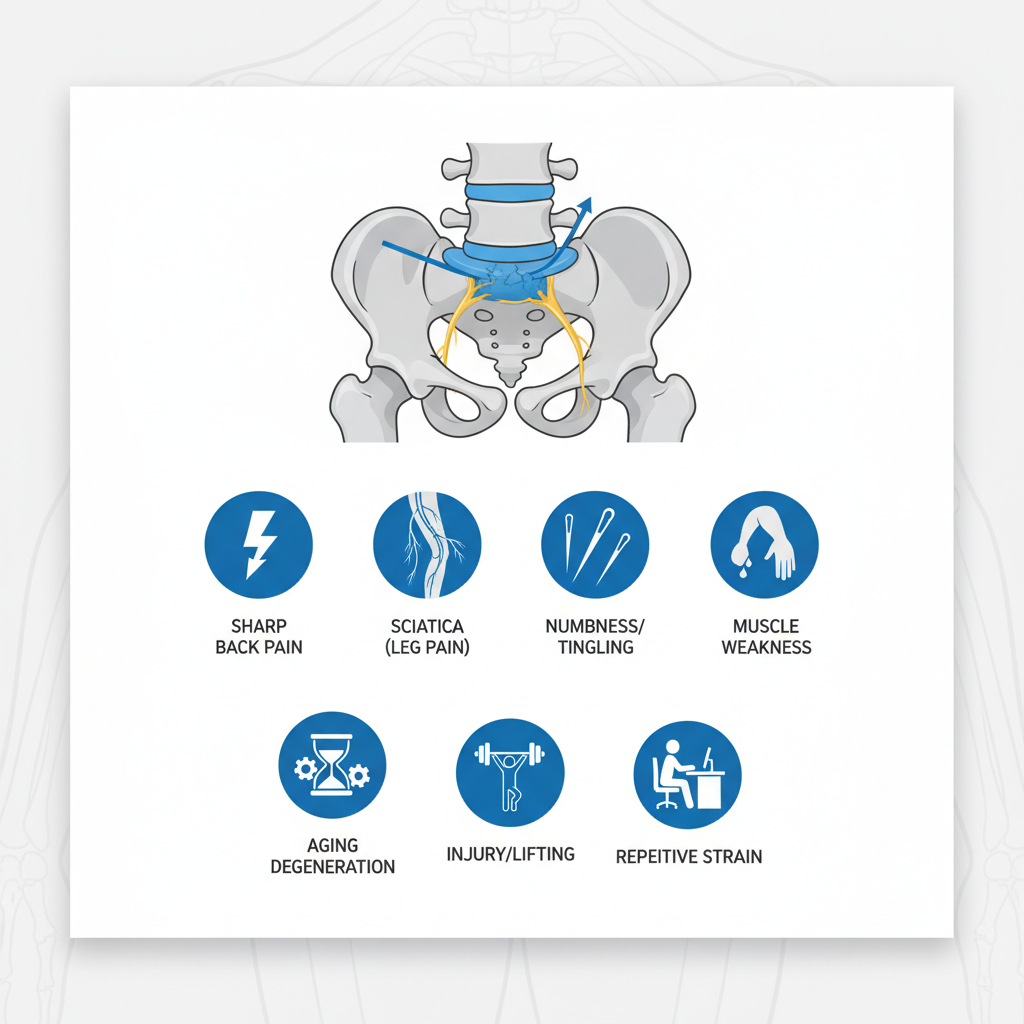
Illustration of herniated disc symptoms and causes
Understanding these manifestations empowers residents to monitor their health more closely, bridging the gap to timely interventions that restore mobility without invasive procedures.
Underlying Causes and Risk Factors
Disc herniation arises from a combination of degenerative processes and external stressors, particularly relevant to Arlington Heights populations with sedentary or physically demanding jobs. The primary cause is disc degeneration, where the outer annulus fibrosus weakens over time due to aging, leading to loss of hydration and height; this follows the Kirkaldy-Willis cascade, involving annular fissures and eventual herniation under mechanical stress.
Trauma, such as sudden heavy lifting or twisting motions, can rupture the disc acutely, while repetitive strains from local occupations like construction or desk work accelerate wear. Risk factors include obesity, which increases spinal load, smoking that impairs disc nutrition, and genetics predisposing individuals to early degeneration. In our clinic, we observe spinal disc rupture in the area often linked to lifestyle factors, such as poor posture during long commutes or inadequate core strength from irregular exercise routines.
These elements highlight why proactive care is essential; by addressing modifiable risks, patients can reduce their chances of disc bulge issues locally and benefit from our customized care focused on prevention and relief.
When to Seek Local Medical Help
Knowing when to seek professional evaluation can prevent complications from herniated discs, especially in Arlington Heights where access to specialized care is convenient. We recommend immediate consultation if symptoms include severe leg weakness, loss of bowel or bladder control, or persistent numbness in the saddle area, as these red flags signal potential cauda equina syndrome requiring urgent intervention.
Other indicators include unrelenting pain despite rest, night pain disrupting sleep, or symptoms worsening over days without improvement. A checklist for action includes:
- Radiating pain lasting more than a few weeks.
- Progressive muscle weakness affecting walking or balance.
- Accompanying fever or unexplained weight loss.
Our team at Advanced Pain & Spine Management uses physical exams, history reviews, and MRI imaging when needed to confirm diagnoses accurately, correlating findings with clinical presentation to avoid unnecessary tests. For herniated disc treatment in Arlington Heights, early non-surgical approaches like physical therapy coordination and targeted injections often lead to spontaneous resolution within six weeks for most patients. Get Expert Pain Relief in Arlington Heights & Bloomingdale by contacting us promptly; understanding these cues ensures advanced treatments preserve your quality of life through evidence-based, minimally invasive strategies.
Advantages of Non-Surgical Herniated Disc Care
At Advanced Pain & Spine Management, we prioritize conservative approaches for managing bulging discs causes, which often contribute to herniated disc issues. For patients dealing with a herniated disc in Arlington Heights, non-surgical treatments offer substantial relief without the uncertainties of surgery. These methods focus on reducing pain, enhancing mobility, and promoting long-term spinal health through targeted interventions like epidural steroid injections and coordinated physical therapy. Our experience shows that such strategies align well with the needs of local residents seeking effective, low-risk care.
Pain Relief Without Invasive Procedures
Non-surgical options provide rapid pain alleviation by addressing the root causes of discomfort in herniated disc cases. Epidural steroid injections deliver anti-inflammatory medication directly to the affected area, reducing swelling around compressed nerves and easing radiculopathy symptoms. According to studies on lumbar radiculopathy, conservative care leads to 70-80% improvement in symptoms for most patients within 4-6 weeks, validating the efficacy of these approaches.
Physical therapy complements injections by strengthening supporting muscles and improving posture, which further decompresses the disc. For herniated disc treatment in Arlington Heights, we’ve seen patients experience noticeable reductions in nerve pressure, allowing them to avoid the side effects of oral medications like drowsiness. Key advantages include:
- Targeted inflammation control without systemic impacts
- Minimal recovery time post-procedure, often just a day of rest
- Lower risk of complications compared to surgical alternatives
This non-operative spinal relief in the area empowers individuals to manage daily pain effectively while preserving their quality of life.
Faster Recovery and Daily Life Improvement
One of the primary benefits of conservative disc care locally is the accelerated return to normal activities. Unlike surgery, which may require weeks of downtime and rehabilitation, non-surgical herniated disc in Arlington Heights treatments typically allow patients to resume light duties within days. For instance, after an epidural injection, many of our patients report improved mobility in 1-2 weeks, enabling a gradual reintroduction to work or hobbies.
Long-term gains include sustained spinal stability through integrated physical therapy and lifestyle adjustments. Research on lumbar radiculopathy highlights that early intervention prevents chronic issues, with the majority achieving lasting relief without operative needs. We’ve observed active adults returning to sports and seniors maintaining independence, all while minimizing risks like infection or anesthesia exposure.
Benefits extend to cost savings and reduced healthcare burdens, as these methods demand fewer follow-up visits. Patients often note enhanced daily functioning, such as easier walking or reduced reliance on pain relievers, fostering overall well-being in the community.
Personalized Plans from Local Experts
Our team at Advanced Pain & Spine Management crafts individualized pain treatment plans tailored to each patient’s unique profile in Arlington Heights. By evaluating factors like age, activity level, and symptom severity, we customize therapies such as radiofrequency ablation for targeted nerve relief or physical therapy regimens suited to seniors versus active professionals.
This approach ensures optimal outcomes, drawing on evidence from radiculopathy studies that emphasize personalized conservative management for better adherence and results. For example, a patient with work-related strain might receive focused injections combined with ergonomic guidance, while another with degenerative changes benefits from gentle mobilization exercises.
Key elements of our customized care include:
- Comprehensive assessments to identify specific pain sources
- Collaboration among specialists like Dr. George Macrinici and our advanced practice providers
- Ongoing monitoring to adjust plans for sustained benefits
Through these strategies, we help patients achieve meaningful improvements in mobility and comfort. Please note that this information is educational and not a substitute for professional medical advice; consult our team for personalized guidance.
Mechanisms of Non-Surgical Herniated Disc Treatments
At Advanced Pain & Spine Management, we guide patients through effective non-surgical options for managing extruded disc herniation and other forms of herniated disc in Arlington Heights. These treatments target the root causes, such as nerve inflammation and disc pressure, without invasive surgery. Our individualized pain treatment plans combine evidence-based methods to reduce pain and promote healing, helping patients regain mobility in the Arlington area.
Role of Injections and Nerve Blocks
Epidural steroid injections serve as a targeted approach in herniated disc treatment in Arlington Heights, delivering anti-inflammatory medication directly to the affected spinal area. We begin by using imaging guidance, like fluoroscopy, to precisely locate the inflamed nerve root compressed by the herniated disc. The steroid, akin to a cooling agent for fiery inflammation, reduces swelling around the nerve, alleviating pain signals sent to the brain.
- Preparation: Patients receive local anesthesia to minimize discomfort during needle insertion.
- Injection: The medication mixture is slowly introduced into the epidural space, coating the irritated tissues.
- Recovery: Most procedures last 15-30 minutes, with patients experiencing immediate relief in some cases, though full effects build over days.
According to clinical guidelines, these injections can achieve up to 50% pain reduction within weeks for many individuals. We often pair them with nerve blocks to interrupt pain pathways temporarily, enhancing overall comfort without systemic side effects. This method addresses radiculopathy symptoms effectively in our clinic.
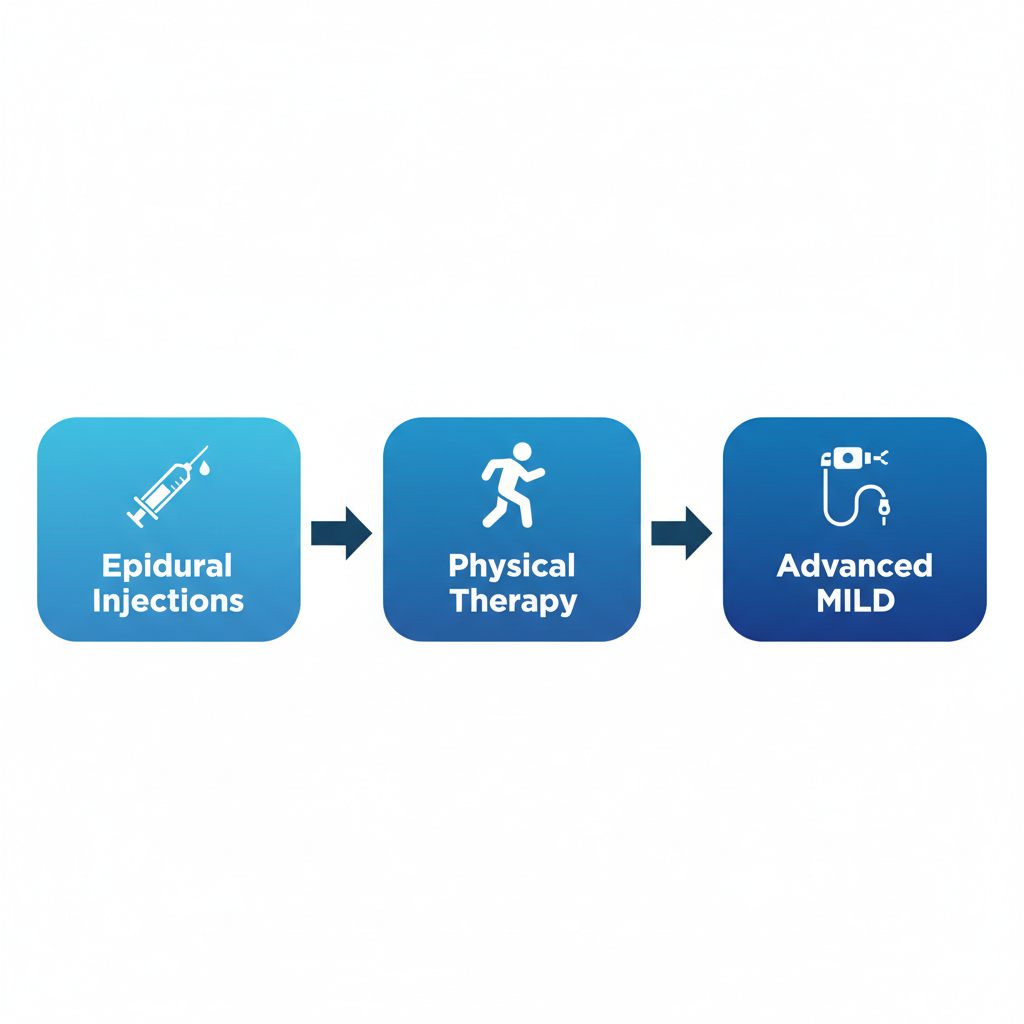
Step-by-step non-surgical treatments for herniated discs in pain management
Building on injection benefits, patients frequently transition to active rehabilitation for sustained disc repair methods locally.
Physical Therapy and Decompression Techniques
For non-surgical herniated disc in Arlington Heights, physical therapy focuses on strengthening the core and improving spinal flexibility to support natural healing. We design customized programs that include targeted exercises, starting with gentle stretches to restore range of motion and progressing to resistance training for back muscles.
- Assessment: Our team evaluates posture and mobility to tailor exercises avoiding further disc strain.
- Sessions: Patients perform supervised activities like pelvic tilts and bridges, typically 2-3 times weekly for 4-6 weeks.
- Progress: Home routines reinforce gains, reducing reliance on pain meds over time.
Spinal decompression therapy complements this by gently pulling the vertebrae apart using specialized tables, creating negative pressure that retracts bulging disc material. Sessions last 20-30 minutes, promoting nutrient flow to the disc for repair. Therapy protocols emphasize gradual loading to prevent re-injury, fostering long-term stability in interventional spine care in the area.
Advanced Interventional Procedures
When standard therapies need enhancement, we offer advanced options like minimally invasive lumbar decompression (MILD) at our Arlington Heights clinic. This procedure removes small amounts of ligament tissue to relieve pressure on the spinal canal, ideal for stenosis related to herniated discs.
- Outpatient setup: Performed under local anesthesia in under an hour.
- Access: A tiny incision allows tools to excise obstructive material.
- Outcome: Patients often walk out the same day with reduced leg pain.
Radiofrequency ablation follows for longer-term relief, using heat to disrupt nerve signals from inflamed areas. We also incorporate medication management, prescribing anti-inflammatories or muscle relaxants to control symptoms during recovery. Combining these in personalized plans ensures comprehensive care, with results varying by individual–consult our specialists for tailored advice.
Effective Strategies for Herniated Disc Management
Managing a herniated disc in Arlington Heights requires a balanced approach that combines professional guidance with practical self-care. At Advanced Pain & Spine Management, we emphasize evidence-based strategies to alleviate pain and promote recovery without unnecessary risks. These disc management strategies locally focus on non-surgical options, drawing from established guidelines for lumbar radiculopathy, which often stems from disc herniation.
Integrating Therapy and Lifestyle Changes
We advise our patients to integrate targeted therapy with beneficial lifestyle adjustments for optimal recovery. Physical therapy routines, such as McKenzie exercises, help extend the spine and reduce nerve pressure, while aquatic therapy provides low-impact support to build strength. Studies on lumbar radiculopathy indicate that 60-70% of patients experience significant improvement within four to six weeks through consistent rehabilitation.
For daily habits, ergonomic setups at workstations prevent further strain–consider adjustable chairs and frequent posture checks. Weight management reduces spinal load, and low-impact activities like walking support mobility. Addressing a non-surgical herniated disc in Arlington Heights also involves preventive care for spinal issues in the area, such as quitting smoking to enhance tissue healing. These changes, combined with our coordinated physical therapy, foster long-term relief.
- Perform McKenzie extensions daily: Lie face down and gently arch the back 10 times.
- Maintain a healthy weight: Aim for gradual loss through balanced nutrition and exercise.
- Ergonomic tips: Use lumbar supports and stand hourly to avoid prolonged sitting.
Choosing the Right Specialists Locally
Selecting qualified professionals is crucial for effective herniated disc treatment in Arlington Heights. We recommend board-certified interventional pain specialists who offer individualized pain treatment plans, like those at our clinic led by Dr. George Macrinici and team. Experience in minimally invasive procedures, such as epidural steroid injections and radiofrequency ablation, ensures precise care tailored to your needs.
Look for providers with multidisciplinary approaches, including pain medication management and therapy coordination. Our customized care integrates these elements to address root causes without surgery. Many patients share positive experiences, as seen in clinic patient reviews, highlighting our commitment to comprehensive relief. Prioritize specialists affiliated with reputable practices in the Arlington area for accessible follow-up.
- Verify board certification: Confirm expertise in spinal interventions.
- Review service range: Ensure offerings include non-surgical options like joint injections.
- Check accessibility: Choose locations convenient for Arlington Heights residents.
Monitoring Progress and Avoiding Risks
Regular monitoring ensures safe progress in non-surgical management. We schedule follow-ups every four to six weeks to assess symptoms and adjust plans, using tools like MRI if needed for persistent issues. Track improvements in pain and mobility; most radiculopathy cases resolve naturally, but early intervention prevents complications.
Warning signs include worsening weakness, bowel or bladder changes, or severe numbness–these warrant immediate evaluation to rule out urgent conditions like cauda equina syndrome. Avoid risks by not delaying care or ignoring psychosocial factors like stress, which can prolong recovery. Our team educates on red flags during visits, promoting proactive preventive care for spinal issues in the area.
- Follow-up routine: Attend appointments to review therapy effectiveness.
- Red flags: Seek urgent help for leg weakness or incontinence.
- Adjustment tips: Modify activities if pain persists beyond expected timelines.
Advancing Your Herniated Disc Recovery Journey
In managing a herniated disc in Arlington Heights, recognizing symptoms early and embracing non-surgical approaches can significantly enhance recovery outcomes. At Advanced Pain & Spine Management, we emphasize the benefits of conservative treatments, including targeted therapies that address pain mechanisms and promote natural healing. Best practices such as physical therapy, medication, and lifestyle adjustments support the body’s innate resolution process, with research indicating that most lumbar disc disorders resolve spontaneously within six weeks under monitored care. This reinforces the 80-90% success rate of non-surgical herniated disc treatment in Arlington Heights, reducing risks associated with surgery while fostering long-term spine health. By understanding potential bulging disc progression, patients can adopt proactive local disc recovery paths and Arlington spine health strategies for sustained relief.
We invite you to take the next step in your journey toward pain-free living by scheduling a consultation at our convenient locations in Arlington Heights and Bloomingdale. Our experienced team, led by board-certified specialists, develops individualized pain treatment plans tailored to your needs, drawing on advanced, minimally invasive options for non-surgical herniated disc in Arlington Heights. This information is educational and not a substitute for professional medical advice–consult our healthcare professionals for personalized guidance. Empower yourself with proactive pain care; contact Advanced Pain & Spine Management today to begin your customized recovery.
Resources
Arlington Heights
IL
60005