
Table of Contents
Understanding Back Pain After Surgery in Bloomingdale
Experiencing persistent back pain after surgery can be incredibly frustrating, especially for those in Bloomingdale, Illinois, who expected relief following procedures like discectomy or spinal fusion. Many patients find themselves wondering why the discomfort lingers despite the operation’s success. This ongoing issue affects daily activities and emotional well-being, turning what should be a recovery period into a challenging journey.
Post-surgical back pain symptoms are common and often stem from scar tissue formation, nerve irritation, or incomplete resolution of underlying conditions such as adjacent segment disease. According to clinical guidelines from the American Academy of Pain Medicine, inflammation and tissue healing can cause pain to persist for up to one year in many cases, which is typically normal during recovery. However, if the pain intensifies or includes new symptoms like numbness or weakness, it may signal complications requiring prompt attention. We understand these recovery challenges post-operation and emphasize the importance of monitoring progress to ensure optimal healing.
At Advanced Pain & Spine Management (we at advanced pain spine management), our board-certified specialists, including Dr. George Macrinici and team, offer individualized pain treatment plans featuring minimally invasive options like spinal cord stimulation and radiofrequency ablation. With convenient locations in Arlington Heights and Bloomingdale, we provide accessible care tailored to your needs, including coordination for physical therapy after back surgery to support rehabilitation.
This foundation addresses why pain may endure, leading into deeper insights on symptoms, therapies, and advanced treatments ahead.
Fundamentals of Post-Surgical Back Pain
Experiencing back pain after surgery in Bloomingdale is a common concern for many patients undergoing spinal procedures. According to guidelines from the American Academy of Physical Medicine and Rehabilitation, up to 80% of individuals report some level of discomfort in the initial recovery phase, often stemming from tissue healing and surgical adjustments. At Advanced Pain & Spine Management, we emphasize understanding these post-surgical back pain symptoms to help residents navigate recovery confidently.
Post-surgical back pain typically progresses in phases, starting with acute inflammation in the first few weeks, easing into manageable discomfort by one to two months, and gradually resolving as muscles strengthen. Common manifestations include localized aching around the incision site, stiffness that limits bending or twisting, and occasional radiating discomfort down the legs, known as radiculopathy, which affects about 20-30% of patients per lumbar disk disorder studies. These symptoms following spinal operation are part of the body’s natural healing process, but tracking their intensity and duration is essential for timely intervention.
Patients often describe post-surgical back pain as a persistent dull ache in the lower back, resembling muscle soreness after intense exercise, which can intensify with prolonged sitting or standing. Sharp stabs, however, may arise from specific triggers like hardware irritation from spinal implants or localized inflammation around nerves, causing sudden jolts during movement. For instance, a patient might feel a brief, electric-like pain when shifting positions, signaling temporary nerve sensitivity rather than a deeper issue. We guide our patients through these sensations, noting that while most resolve with rest and medication, persistent sharpness warrants evaluation to rule out complications such as scar tissue formation.
Numbness and weakness can also emerge as transient effects from surgical manipulation of nerves, typically fading within weeks, but they may indicate more serious concerns if ongoing. Incorporating physical therapy after back surgery early in recovery helps restore mobility and reduce these sensations through targeted exercises. At our clinic, we coordinate such nonsurgical therapies to support healing without invasive measures.
The following table outlines the distinction between typical recovery symptoms and those requiring prompt attention:
| Symptom Type | Normal Recovery (Expected Duration) | Concerning Signs (When to Seek Help) |
|---|---|---|
| Mild Aching | Common in first 6-12 weeks due to healing tissues | Intensifies or persists beyond 3 months without improvement |
| Numbness/Tingling | Temporary nerve irritation, resolves in 4-8 weeks | Worsens or spreads, indicating possible nerve compression |
| Sharp Pain | Occasional with activity, decreases over time | Sudden onset with fever or bowel/bladder changes |
This comparison highlights key differences, drawing from pain management guidelines that stress monitoring for escalation. Normal post-op lower back discomfort should improve steadily, but concerning signs like worsening numbness or sharp pain accompanied by systemic symptoms may signal infections or nerve impingement, as noted in AAPM&R resources on complication monitoring.
We recommend keeping a daily symptom journal to track patterns, noting pain levels on a 1-10 scale and any activity correlations. If symptoms align with the concerning column or fail to improve after three months, contact our team for a comprehensive assessment. Visit our bloomingdale pain management page to learn about local services and how we can help. Our board-certified specialists in Bloomingdale, Illinois, offer individualized pain treatment plans, including nonsurgical evaluations to address potential issues early and prevent chronic problems. Early consultation ensures safe recovery and optimal outcomes.
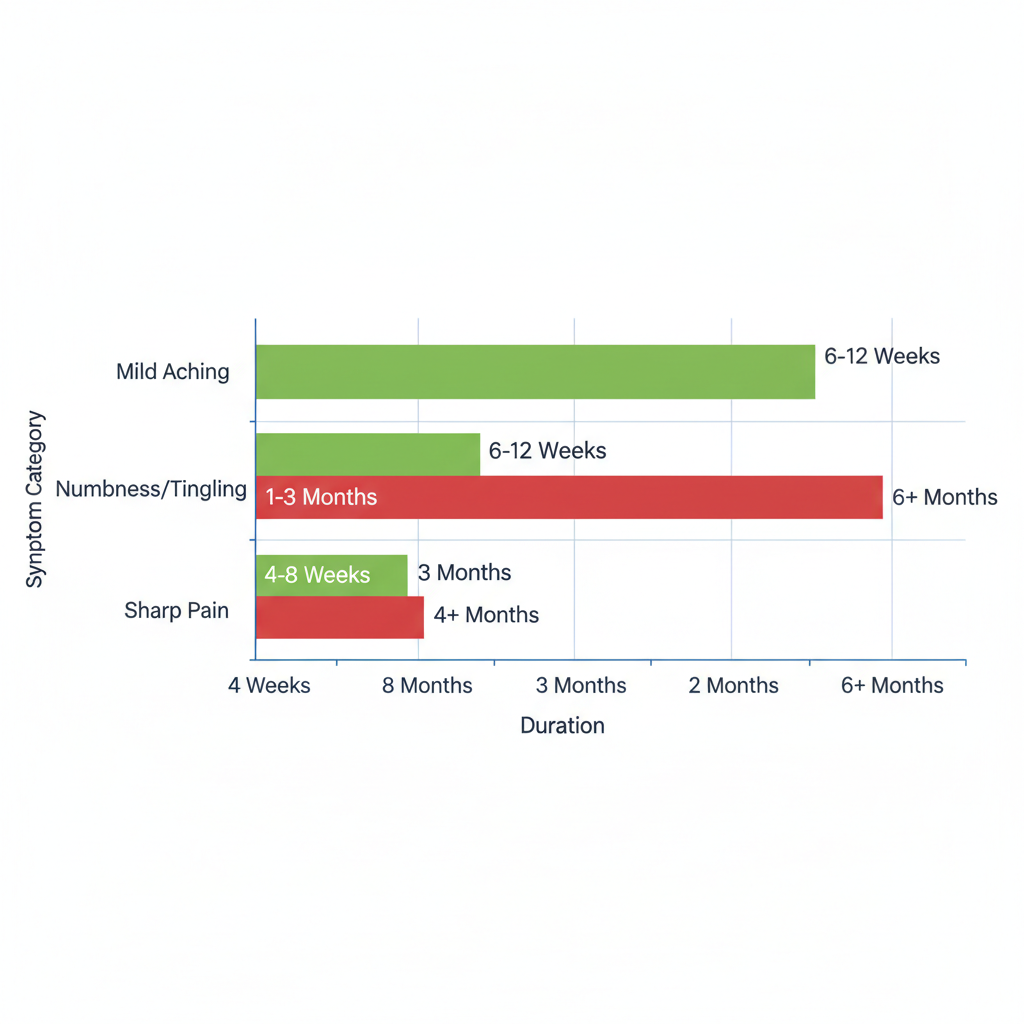
Comparison of normal vs. concerning post-surgical back pain symptoms
By recognizing these fundamentals, patients can better advocate for their health. Our approach at Advanced Pain & Spine Management focuses on evidence-based care, integrating tools like this visual aid to clarify when professional input is needed, ultimately supporting a smoother return to daily activities in the Bloomingdale community.
Exploring Physical Therapy for Recovery
At Advanced Pain & Spine Management, physical therapy plays a pivotal role in our comprehensive approach to managing back pain after surgery in Bloomingdale. Following procedures like lumbar discectomy or fusion, patients often experience post-surgical back pain symptoms such as stiffness, reduced mobility, and lingering discomfort. We coordinate physical therapy after back surgery to address these issues, promoting safe healing and restoring function. This rehabilitation following lumbar procedure typically begins 2-4 weeks post-operation, depending on the surgery type and individual recovery progress, allowing time for initial healing while preventing complications like muscle atrophy.
Starting physical therapy too soon risks aggravating surgical sites, while delaying it can prolong recovery. Factors influencing the onset include the extent of the procedure, overall health, and surgeon clearance. For minimally invasive interventions, we often recommend initiating post-operative mobility training around week two, focusing on gentle movements to rebuild strength. Our team assesses each patient’s readiness through follow-up evaluations, ensuring a tailored timeline that aligns with evidence-based guidelines. This structured start helps mitigate post-surgical back pain symptoms effectively, fostering confidence in daily activities.
In the realm of physical therapy after back surgery, targeted exercises form the cornerstone of recovery protocols. These activities aim to strengthen supporting muscles, enhance flexibility, and alleviate pressure on the spine. At our practice, we emphasize exercises drawn from established recommendations, such as those for managing lumbar radiculopathy, where studies show physical therapy reduces pain by up to 50% and improves function in post-operative patients. Common routines include core stabilization and stretching maneuvers, performed under professional supervision to avoid strain.
The following table outlines key exercises beneficial for post-surgical recovery, providing practical guidance on implementation.
| Exercise Type | Description and How-To | Benefits for Post-Surgical Recovery | Recommended Timeline |
|---|---|---|---|
| Pelvic Tilts | Lie on back, tighten abs to tilt pelvis; 10 reps | Strengthens core, reduces stiffness | Start week 2 post-op |
| Bridges | Lie on back, lift hips; hold 5 seconds, 10 reps | Builds glute strength, improves stability | Begin week 4-6 |
| Cat-Cow Stretch | On all fours, alternate arching and rounding back; 8 reps | Enhances flexibility, eases lower back tension | Daily from week 1 |
These exercises, supported by research on physical therapy efficacy for conditions like lumbar radiculopathy, offer a progressive path to better mobility. For instance, pelvic tilts initiate gentle activation without spinal stress, while bridges advance to weight-bearing support. We advise against self-initiating these without medical clearance, as improper form can hinder progress.
Progressing through these routines requires guidance from qualified specialists to personalize intensity and monitor advancements. In Bloomingdale, our bloomingdale spine clinic partners with local therapists to integrate these exercises into individualized pain treatment plans, ensuring seamless coordination. Patients typically notice reduced pain and enhanced range of motion within 4-6 weeks, with full benefits emerging over 3-6 months of consistent effort. A standard session lasts 45-60 minutes, beginning with a thorough assessment of current symptoms and mobility, followed by guided exercises like those in the table, and concluding with education on home techniques and posture correction.
The benefits extend beyond immediate relief, including faster return to work and hobbies, decreased reliance on medications, and prevention of future flare-ups. Through progressive loading, physical therapy after back surgery builds resilience in the core and back muscles, addressing post-surgical back pain symptoms holistically. We at Advanced Pain & Spine Management prioritize this nonsurgical therapy as part of customized care, referring patients to trusted providers in Bloomingdale for optimal outcomes. Always consult our team before starting, as results vary and professional oversight ensures safety and efficacy.
Practical Strategies for Managing Pain
Daily Activity Modifications
Adjusting your daily routines can significantly reduce strain on your healing back. We recommend focusing on posture and ergonomics to prevent unnecessary stress after surgery. For instance, maintain a neutral spine position when sitting by using lumbar supports or adjusting your chair height to keep knees at a 90-degree angle. When standing, distribute weight evenly and avoid slouching to ease pressure on the surgical site.
Pacing activities is another key tactic. Break tasks into smaller segments, alternating between light movement and rest to avoid overexertion. Incorporate gentle walking on flat surfaces, aiming for 10-15 minutes several times a day, gradually increasing as tolerated. Ergonomic adjustments at home, such as raising your workspace or using a standing desk converter, help sustain proper alignment during work or chores.
According to clinical guidelines from the American Academy of Pain Medicine, activity pacing reduces the risk of flare-ups by promoting gradual tissue adaptation. These routine recovery tactics not only alleviate immediate discomfort but also foster habits that support sustained mobility. Always listen to your body and stop if pain intensifies, ensuring modifications align with your surgeon’s instructions for safe progression.
Monitoring Progress and Seeking Help
Tracking your symptoms is essential for effective management of post-surgical back pain symptoms. We suggest maintaining a simple pain diary, noting intensity on a 0-10 scale, along with triggers like specific movements or times of day. Record how interventions affect your comfort, such as reduced stiffness after morning stretches. This tool helps identify patterns and measure improvements over weeks.
Knowing when to escalate care is crucial. If pain persists beyond expected recovery timelines or worsens with activity, contact our Bloomingdale specialists promptly. Clinical guidelines emphasize seeking professional evaluation for unrelieved symptoms, red flags like numbness, or interference with daily function.
To illustrate choices between self-care and expert input, consider the following comparison:
| Approach | Examples | Pros | Cons/When to Escalate |
|---|---|---|---|
| Home Management | Ice/heat, gentle stretches, over-the-counter meds | Accessible, low-cost | Limited for severe pain; escalate if no relief in 1-2 weeks |
| Professional Interventions | Injections, PT coordination, medication management | Targeted, evidence-based relief | Requires appointment; ideal for persistent symptoms |
Home management offers convenient starting points, but professional interventions provide deeper relief for complex cases. At our clinic, we coordinate these options, including advanced procedures like sacroiliac joint fusion when indicated, to address ongoing issues effectively. Schedule a visit if home strategies fall short–we’re here to guide your next steps in Bloomingdale.
Integrating Therapy into Routine
Combining physical therapy after back surgery with home care creates a comprehensive path to recovery. We work closely with therapists to design individualized plans that extend clinic sessions into your daily life. Start by reviewing your prescribed exercises, such as pelvic tilts or bridging, and perform them consistently–typically 10-15 repetitions twice daily–to build core strength and flexibility.
Integrate therapy seamlessly by linking sessions to routines. For example, do warm-up stretches before meals or cool-downs before bed, turning rehabilitation into habitual actions. Use tools like resistance bands for added challenge as progress allows, always under guidance to prevent strain. Our team coordinates occupational therapy elements, advising on adaptive techniques for work or hobbies to maintain gains outside sessions.
What to expect in physical therapy sessions includes targeted assessments, manual adjustments, and education on body mechanics. Sessions often last 45-60 minutes, focusing on pain-free range of motion and posture correction. Blending this with home practices amplifies benefits, reducing reliance on medications over time. Clinical guidelines support this multimodal approach, noting improved outcomes when therapy aligns with lifestyle changes.
For sustained recovery, track adherence in your diary and report challenges during follow-ups. We emphasize gradual progression, celebrating small victories like easier daily tasks. If mobility plateaus, our nonsurgical therapies–such as coordinated injections or stimulation–can complement PT efforts. This integration not only manages current discomfort but builds resilience for long-term spine health. Contact us in Bloomingdale for personalized support to refine your routine.
Advanced Treatments for Persistent Pain
At Advanced Pain & Spine Management, we specialize in advanced, minimally invasive interventions to address back pain after surgery in Bloomingdale, offering hope for patients dealing with persistent discomfort. These treatments target chronic post-op lumbar issues that linger despite initial recovery, providing targeted interventional relief when conservative measures fall short. Our Bloomingdale location delivers these options as part of individualized pain treatment plans, focusing on potential benefits like reduced reliance on medications and improved daily function.
Spinal cord stimulation (SCS) stands out as a key therapy for modulating nerve pain signals in the spinal cord. This implanted, rechargeable device, such as the FDA-approved Evoke SCS System from 2022, uses electrical pulses to disrupt pain transmission, particularly effective for failed back surgery syndrome. Clinical data supports its efficacy in managing intractable low back and leg pain, with closed-loop technology automatically adjusting stimulation for consistent relief. We guide patients through a trial phase to assess suitability before permanent implantation, emphasizing its role in long-term management.
Epidural injections and facet joint injections deliver steroids directly to inflamed areas, reducing swelling and alleviating post-surgical back pain symptoms like radiating discomfort or stiffness. Radiofrequency ablation complements these by heating nerves to interrupt pain signals, offering relief for up to 12 months. For select cases involving sacroiliac joint involvement, sacroiliac joint treatment provides fusion options to stabilize the area. We integrate physical therapy after back surgery to enhance outcomes, combining these with nonsurgical support for comprehensive care.
Candidacy for these treatments depends on factors like pain duration, prior therapies attempted, and overall health. Ideal patients experience ongoing symptoms unresponsive to medications or therapy, with no contraindications such as active infections. Our team evaluates through detailed assessments to ensure these interventions align with personalized goals.
The following table outlines minimally invasive options for post-surgical back pain:
| Treatment | How It Works | Best For | Recovery Time |
|---|---|---|---|
| Spinal Cord Stimulation | Implanted device disrupts pain signals | Failed back surgery syndrome | Outpatient, resume activities in days |
| Epidural Injections | Steroid delivery to reduce inflammation | Persistent radicular pain | Minimal downtime, effects last weeks |
This comparison highlights how spinal cord stimulation offers sustained modulation for complex cases, while epidural injections provide quicker, targeted anti-inflammatory effects. At our clinic, we leverage board-certified expertise from Dr. George Macrinici and team to implement these precisely, tailoring trials and procedures to maximize potential benefits in Bloomingdale.
Discussing these options helps patients understand escalation pathways. We prioritize education on pros, such as minimized invasiveness, and cons, including procedural risks, always consulting individually for the best fit. Results may vary; this information is educational and not a substitute for professional medical advice–please consult our specialists.
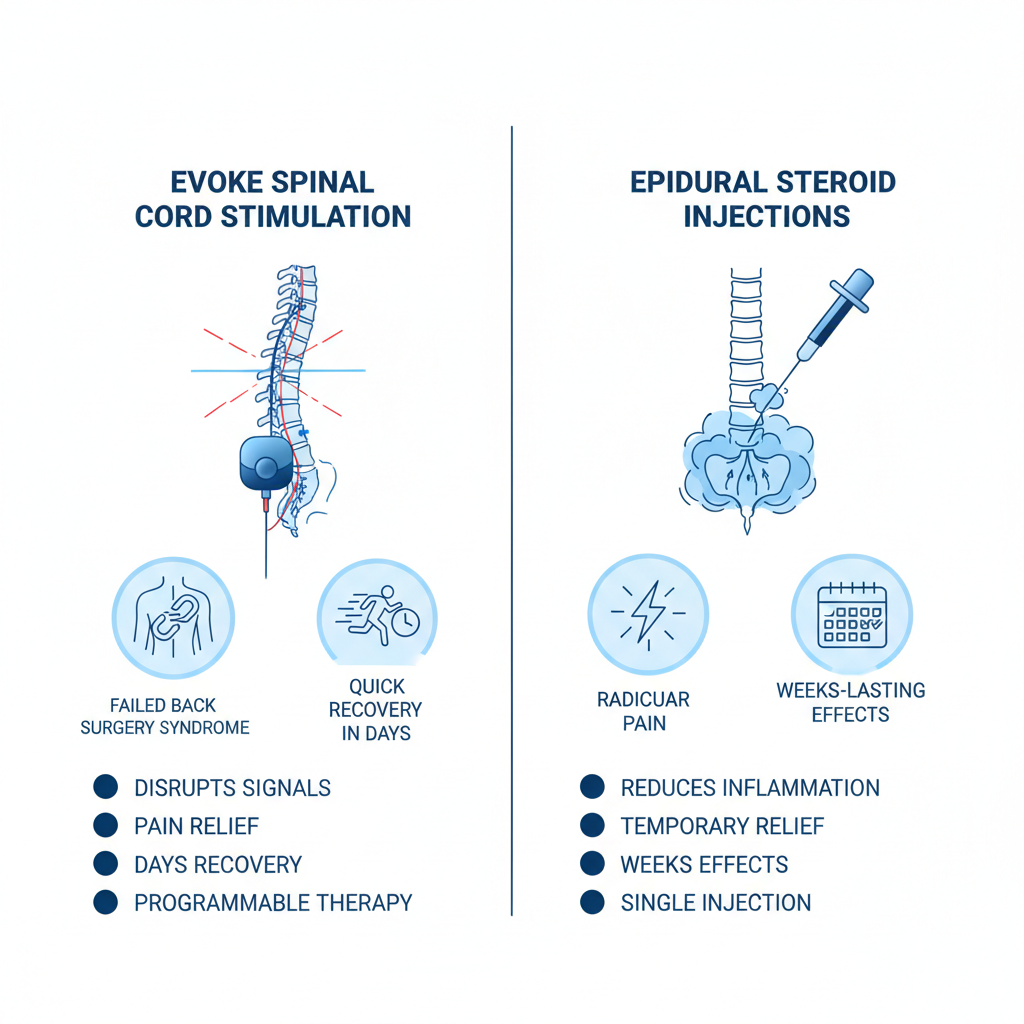
Comparison of minimally invasive treatments for persistent post-surgical back pain
Building on these visuals, our approach ensures seamless integration into recovery, supporting active lifestyles with customized care.
Frequently Asked Questions on Post-Surgical Pain
What are common questions about back pain after surgery in Bloomingdale?
We often see patients inquiring about recovery timelines and management strategies following spinal procedures. Drawing from AAPM&R guidelines on pain management, normal discomfort typically resolves within weeks with proper care.
What are typical post-surgical back pain symptoms?
Post-surgical back pain symptoms may include localized soreness, stiffness, and mild radiating discomfort. These align with standard recovery norms, as outlined in physiatry resources, and we monitor them closely to adjust treatment plans.
How does physical therapy after back surgery improve mobility after spine surgery?
Physical therapy after back surgery enhances mobility by strengthening core muscles and improving flexibility. According to AAPM&R education on rehabilitation, targeted exercises restore range of motion, reducing stiffness and promoting faster return to daily activities.
What should I expect in physical therapy sessions for post-op back pain?
In our sessions for post-op back pain, expect initial assessments, gentle exercises, and progress tracking in a supportive environment. Sessions last 45-60 minutes, focusing on individualized plans to build strength and alleviate FAQ on spinal recovery pain.
How can I access local specialists for therapy in Bloomingdale, Illinois?
We coordinate with trusted local specialists for seamless physical therapy after back surgery. Contact our Bloomingdale office to schedule, ensuring evidence-based care aligned with AAPM&R standards for optimal outcomes.
Taking Next Steps in Your Recovery
As you navigate recovery from back pain after surgery in Bloomingdale, remember that distinguishing between normal post-surgical back pain symptoms and persistent issues is crucial. Physical therapy after back surgery plays a key role in restoring mobility, while advanced options like targeted injections address lingering discomfort. Effective management of conditions such as lumbar radiculopathy, as outlined by the American Academy of Physical Medicine and Rehabilitation, often leads to significant improvements in daily function and quality of life.
At Advanced Pain & Spine Management, we specialize in back pain conditions and develop individualized pain treatment plans tailored to your surgical aftermath management needs. We invite you to schedule a consultation at our Bloomingdale clinic for personalized care that promotes lasting relief and enhanced well-being. Results may vary; consult our professionals for advice suited to your situation.
Resources
Explore FDA-Approved Evoke System for Chronic Pain Relief
Learn Lumbar Disk Disorders Diagnosis and Treatment Options
Discover AAPMR Advocacy in Comprehensive Pain Management
Understand Lumbar Radiculopathy Treatment and Rehabilitation Strategies
Arlington Heights
IL
60005